Saint Methodios of Syracuse, the Patriarch Who Restored the Icons
Every year, on the first Sunday of Lent, the Orthodox Churches celebrate the "Sunday of Orthodoxy", the return of the holy icons. Few people know that the patriarch who led that feast in 843 was a Sicilian: Saint Methodios, born in Syracuse at the end of the 8th century.
From Syracuse to Constantinople
Methodios was born in Syracuse into a well-off family and received an excellent education. As a young man he left for Constantinople, the capital of the Empire, hoping for a career at court. There he met a monk who persuaded him to change course: Methodios gave up his ambitions and embraced monastic life.
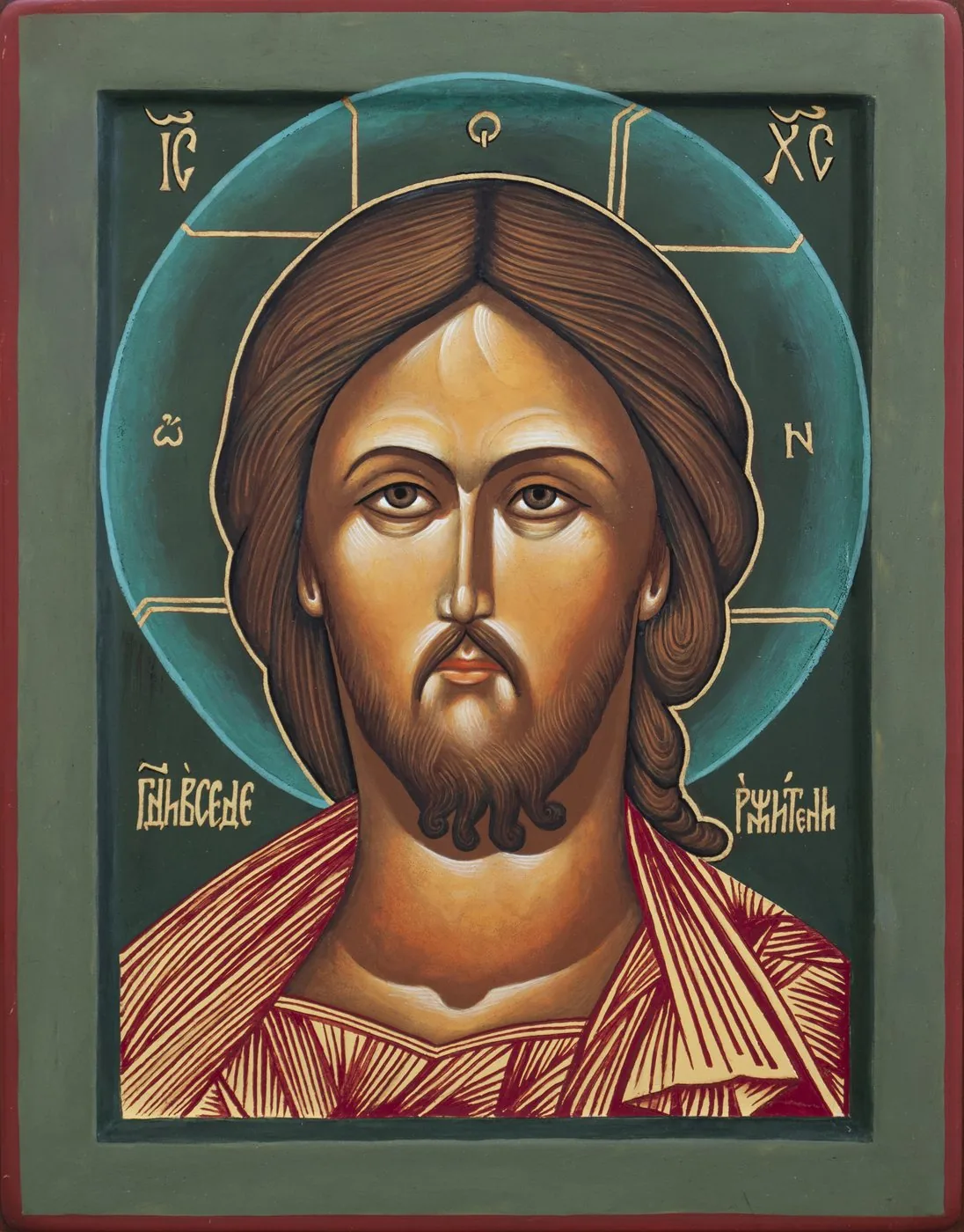
Defending the icons
These were the years of the second iconoclast crisis: some emperors forbade the veneration of sacred images. For the monks, however, the icon is a consequence of the Incarnation: if God became man and made himself visible, he can be depicted. During the persecution Methodios was sent to Rome, where he stayed for some years with the pope.
Returning to Constantinople with a letter from the pope to Emperor Michael II, he was scourged and imprisoned. According to the Catholic Encyclopedia he was shut in a disused tomb on the island of Antigoni, in the Sea of Marmara, where he lived for seven years; other sources speak of a longer period. He came out broken in body but firm in faith.
The Triumph of Orthodoxy
After the death of Emperor Theophilos, Empress Theodora, regent for her son, decided to end iconoclasm. In 843 Methodios was elected Patriarch of Constantinople. On the first Sunday of Lent that year he led a solemn procession that brought the icons back into the basilica of Hagia Sophia. Ever since, that Sunday has been called the Sunday of Orthodoxy, and tradition attributes to him the Synodikon read on that day.
As patriarch he was firm in doctrine but merciful to those who repented. He died on 14 June 847 (some sources give 846).
What he teaches us today
- Beauty is a way to God. Defending icons means believing that God has come near, visible, tangible.
- It is possible to change course. Methodios sought a career and found a vocation.
- Faithfulness has a cost. Years in prison did not extinguish his hope.
- Mercy goes with truth. As patriarch he welcomed those who returned.
Syracuse also gave the Church Saint Lucy and, probably, Saint Joseph the Hymnographer, who lived in the same period and fought the same battle for the icons. The historical background is on the page Byzantine Sicily and the Italo-Greek saints.
Feast day
Saint Methodios is commemorated on 14 June, in both the Catholic Church and the Orthodox Churches.
How to take part
The days take place near Taormina, in Sicily. The places to visit are agreed together each time. There is no overnight stay: we share one day, and in the evening everyone returns to their own home. Hospitality has no price and does not depend on any offering: whoever comes is welcomed for who they are. Everyone contributes as they can: anyone who cannot leave anything is welcomed like everyone else, and takes part by giving a little of their time.
The days are reserved for Catholic and Orthodox Christians, because they are lived in shared prayer. To ask for a date, simply write to me on WhatsApp. The spirit of the days is told in the manifesto of hospitality.
If you would like to know what makes this mission possible, read The circle of love.
Explore the other pages
The days: Christian spiritual days in Sicily · The Philoxenia of Abraham · Spiritual search and finding yourself · Day retreat, silent retreat and pilgrimage: the international names
Spiritual travel in Sicily: Spiritual tourism in Sicily: the guide · Pilgrimage walking routes in Sicily · Holy Week and Easter in Sicily · Religious festivals in Sicily: the calendar · Orthodox pilgrimage in Sicily · Spiritual Nordic walking and ski walking in Sicily
Nature and places: Spiritual Taormina · Spiritual walks in nature · Christian meditation in nature in Sicily · Places to meditate near Taormina and Messina · Places to meditate in Sicily
Prayer: Christian asceticism: the spiritual struggle · The prayer of the heart or Jesus Prayer · Hesychasm: the prayer of stillness · The Philokalia: the Neptic Fathers
The saints of Sicily: Byzantine Sicily and the Italo-Greek saints · Saint Hilarion the Great in Sicily · Saint Joseph the Hymnographer · Saint Elias the Younger of Enna · Saint Agatha of Catania · Saint Lucy of Syracuse · Saint Pancras of Taormina
Sources
What this story teaches
Methodios sought a place at court and found God: sometimes the right road begins when we leave the one we had planned.
Frequently Asked Questions
Who was Saint Methodios of Syracuse?
A monk born in Syracuse at the end of the 8th century, defender of the icons during iconoclasm and Patriarch of Constantinople from 843 until his death.
What is the Triumph of Orthodoxy?
It is the official restoration of the veneration of icons in 843, celebrated on the first Sunday of Lent with a procession led by Saint Methodios. The Orthodox Churches keep it every year as the Sunday of Orthodoxy.
What was iconoclasm?
A movement of the 8th and 9th centuries that banned sacred images. The Church rejected it, teaching that the icon is legitimate because God became man and visible.
Why was Saint Methodios imprisoned?
Because he defended the icons. After delivering a letter from the pope to Emperor Michael II he was scourged and shut in a tomb on the island of Antigoni.
How many years was he in prison?
The Catholic Encyclopedia speaks of seven years on the island of Antigoni; other sources give a longer period.
When did Saint Methodios die?
On 14 June 847, according to the most common date; some sources give 846.
When is Saint Methodios's feast day?
On 14 June, in the Catholic Church and the Orthodox Churches.
Is Saint Methodios of Syracuse the same as Saints Cyril and Methodius?
No. Methodius the apostle of the Slavs, brother of Cyril, is another saint, born in Thessalonica. Saint Methodios of Syracuse is the Patriarch of Constantinople of 843.
Why are icons important for Christians?
Because they recall that God became man in Jesus: the image is not worshipped, but through it the person depicted is venerated.