Christian Asceticism: the Spiritual Struggle Explained Simply
The word "asceticism" suggests something hard and distant, reserved for monks. In fact it is one of the simplest and most human things in Christianity. It comes from the Greek áskesis, "exercise", the word used for athletes' training. Asceticism is the training of the heart: learning, with God's help, to be free.
What Christian asceticism is
Saint Paul compares the Christian life to a race: "Every athlete exercises self-control in all things. They do it to receive a perishable wreath, but we an imperishable" (1 Cor 9:25). The Catechism of the Catholic Church says it plainly: "The way of perfection passes by way of the Cross. There is no holiness without renunciation and spiritual battle" (no. 2015).
Asceticism is not contempt for the body nor a search for suffering. It is the patient work of putting one's life in order, so that the heart may be free for God and for others.
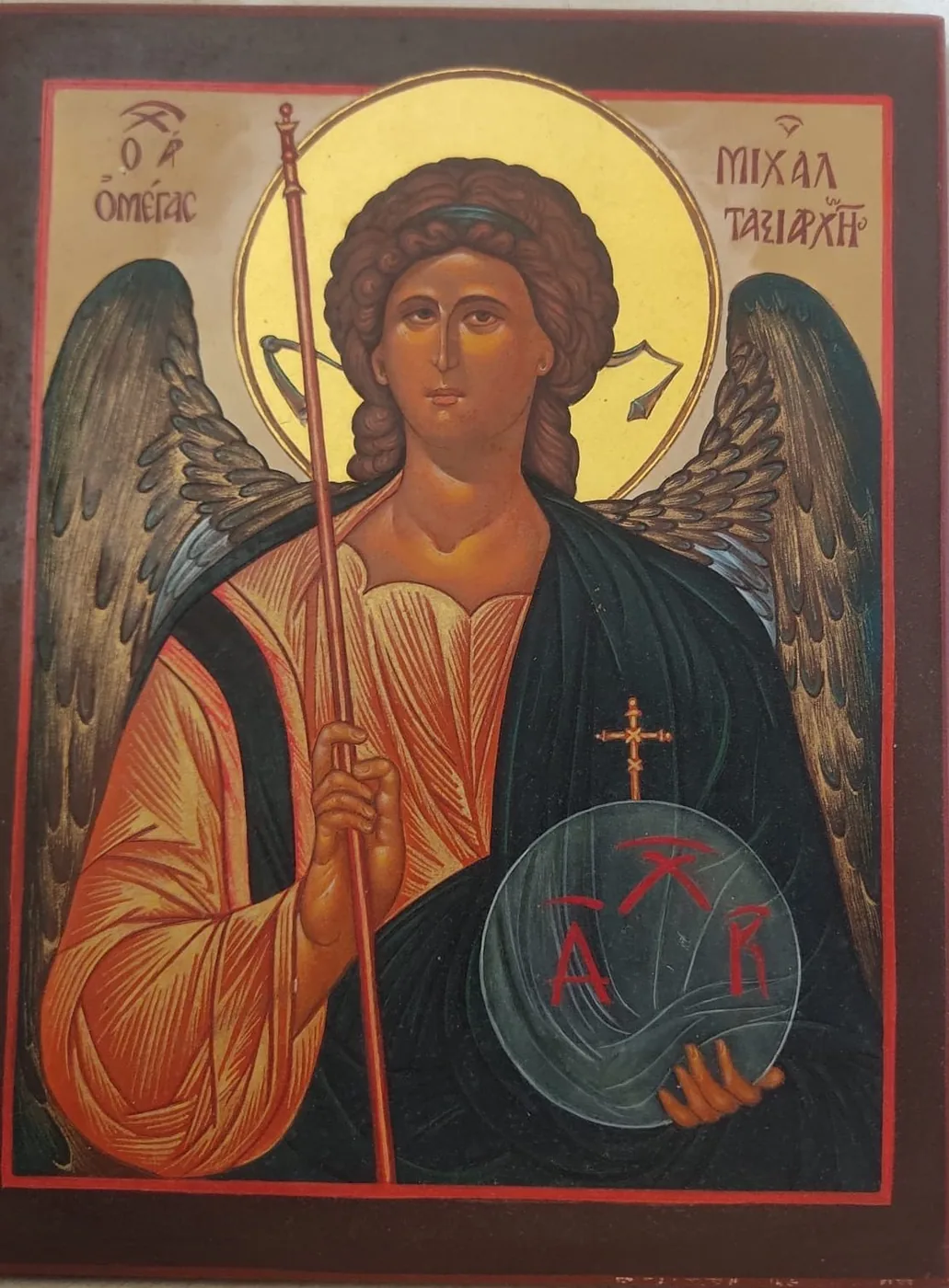
The three pillars: prayer, fasting, almsgiving
In the Sermon on the Mount Jesus names three practices (Mt 6:1-18): prayer, which opens us to God; fasting, which frees us from slavery to things; almsgiving, which opens us to our neighbour. They are the same pillars of Lent, for Catholics and Orthodox alike.
The spiritual struggle
The Desert Fathers spoke of logismoi, thoughts that creep into the heart and drag it towards the passions: gluttony, lust, avarice, sadness, anger, acedia, vainglory and pride. Evagrius Ponticus described eight of them; through John Cassian they reached the West and became the seven deadly sins. The spiritual struggle consists in recognising these thoughts, giving them no room and entrusting oneself to God.
One book shows how alike East and West are on this path: The Spiritual Combat by the Italian priest Lorenzo Scupoli, published in 1589, was adapted into Greek by Saint Nicodemus the Hagiorite and later translated into Russian by Saint Theophan the Recluse as Unseen Warfare. It has become a classic of Orthodox spirituality too.
Watchfulness and the prayer of the heart
Eastern monks speak of nepsis, "watchfulness" or "sobriety": guarding the heart, noticing what enters it. Hence the name Neptic Fathers given to the authors of the Philokalia. The main instrument of this watchfulness is the prayer of the heart, the short invocation of the name of Jesus repeated with faith, at the centre of the tradition of hesychasm.
Asceticism in everyday life
- Silence. Switch something off every day: the phone, the television, the noise of thoughts.
- Sobriety. Eat in moderation, choose what is essential, give up the superfluous.
- Guarding one's words. Do not judge, do not gossip, speak well of others.
- Regular prayer. A little but every day, morning and evening.
- Work done well. Cooking, cleaning, helping are prayer too when done with love.
- Joy. Christian asceticism does not make us sad: it sets us free.
Talking about it together
During the spiritual days near Taormina we talk about Christian spiritual asceticism in a simple way, starting from everyday life and the example of Sicilian saints such as Saint Hilarion and Saint Elias the Younger. It is not a lecture: it is a fraternal conversation, often while walking in the countryside. We take the opportunity to live what we talk about: silence, shared work, common prayer.
How to take part
The days take place near Taormina, in Sicily. The places to visit are agreed together each time. There is no overnight stay: we share one day, and in the evening everyone returns to their own home. Hospitality has no price and does not depend on any offering: whoever comes is welcomed for who they are. Everyone contributes as they can: anyone who cannot leave anything is welcomed like everyone else, and takes part by giving a little of their time.
The days are reserved for Catholic and Orthodox Christians, because they are lived in shared prayer. To ask for a date, simply write to me on WhatsApp. The spirit of the days is told in the manifesto of hospitality.
If you would like to know what makes this mission possible, read The circle of love.
Explore the other pages
The days: Christian spiritual days in Sicily · The Philoxenia of Abraham · Spiritual search and finding yourself · Day retreat, silent retreat and pilgrimage: the international names
Spiritual travel in Sicily: Spiritual tourism in Sicily: the guide · Pilgrimage walking routes in Sicily · Holy Week and Easter in Sicily · Religious festivals in Sicily: the calendar · Orthodox pilgrimage in Sicily · Spiritual Nordic walking and ski walking in Sicily
Nature and places: Spiritual Taormina · Spiritual walks in nature · Christian meditation in nature in Sicily · Places to meditate near Taormina and Messina · Places to meditate in Sicily
Prayer: The prayer of the heart or Jesus Prayer · Hesychasm: the prayer of stillness · The Philokalia: the Neptic Fathers
The saints of Sicily: Byzantine Sicily and the Italo-Greek saints · Saint Hilarion the Great in Sicily · Saint Methodios of Syracuse · Saint Joseph the Hymnographer · Saint Elias the Younger of Enna · Saint Agatha of Catania · Saint Lucy of Syracuse · Saint Pancras of Taormina
Sources
- Catechism of the Catholic Church, nos. 2015 and 2665-2669 (vatican.va)
- 1 Corinthians 9:24-27 and Matthew 6:1-18 (Bible Gateway, RSV)
- Encyclopaedia Britannica – Unseen Warfare / Lorenzo Scupoli (Wikipedia)
- Encyclopaedia Britannica – Philokalia
What this story teaches
Asceticism does not take joy away: it takes away what smothers it.
Frequently Asked Questions
What does asceticism mean?
It comes from the Greek áskesis, "exercise". In Christian life it means training the heart through prayer, fasting, silence and charity, to be free for God and for others.
Is asceticism only for monks?
No. Monks live it radically, but every Christian is called to a form of asceticism suited to their life: family, work, age.
What is the spiritual struggle?
It is the inner battle against the thoughts and passions that lead away from God. The Catechism says there is no holiness without renunciation and spiritual battle (no. 2015).
What are logismoi?
In the tradition of the Desert Fathers they are the thoughts that tempt the heart. Evagrius described eight, from which the seven deadly sins of the West derive.
What is nepsis?
It is watchfulness of the heart: noticing thoughts before they become actions. That is why the authors of the Philokalia are called the Neptic Fathers.
Is Christian fasting bad for your health?
Christian fasting is moderate and should be adapted to each person's health. Anyone with health problems should consult their doctor; the Church exempts the sick, the elderly and children.
What is the book The Spiritual Combat?
It is a work by the Italian priest Lorenzo Scupoli, from 1589. Adapted into Greek by Saint Nicodemus the Hagiorite and into Russian by Saint Theophan the Recluse, it is loved by Catholics and Orthodox.
How can I begin a path of asceticism today?
With small, steady steps: a few minutes of prayer every day, a time of silence without screens, a simple fast on Fridays, an act of charity. Better little and faithfully than much for a short time.
Do you talk about asceticism during the spiritual days?
Yes, simply and fraternally, often while walking in the countryside, starting from everyday life and the example of the Sicilian saints.